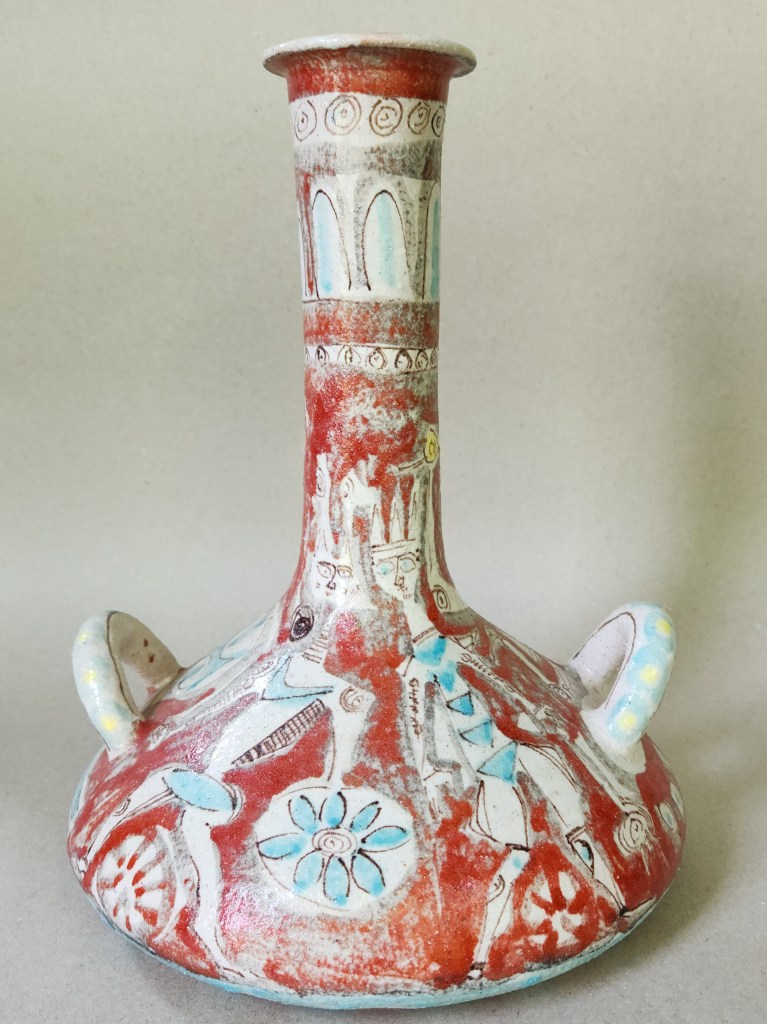
Giovanni DeSimone, circa 1960, 30cm
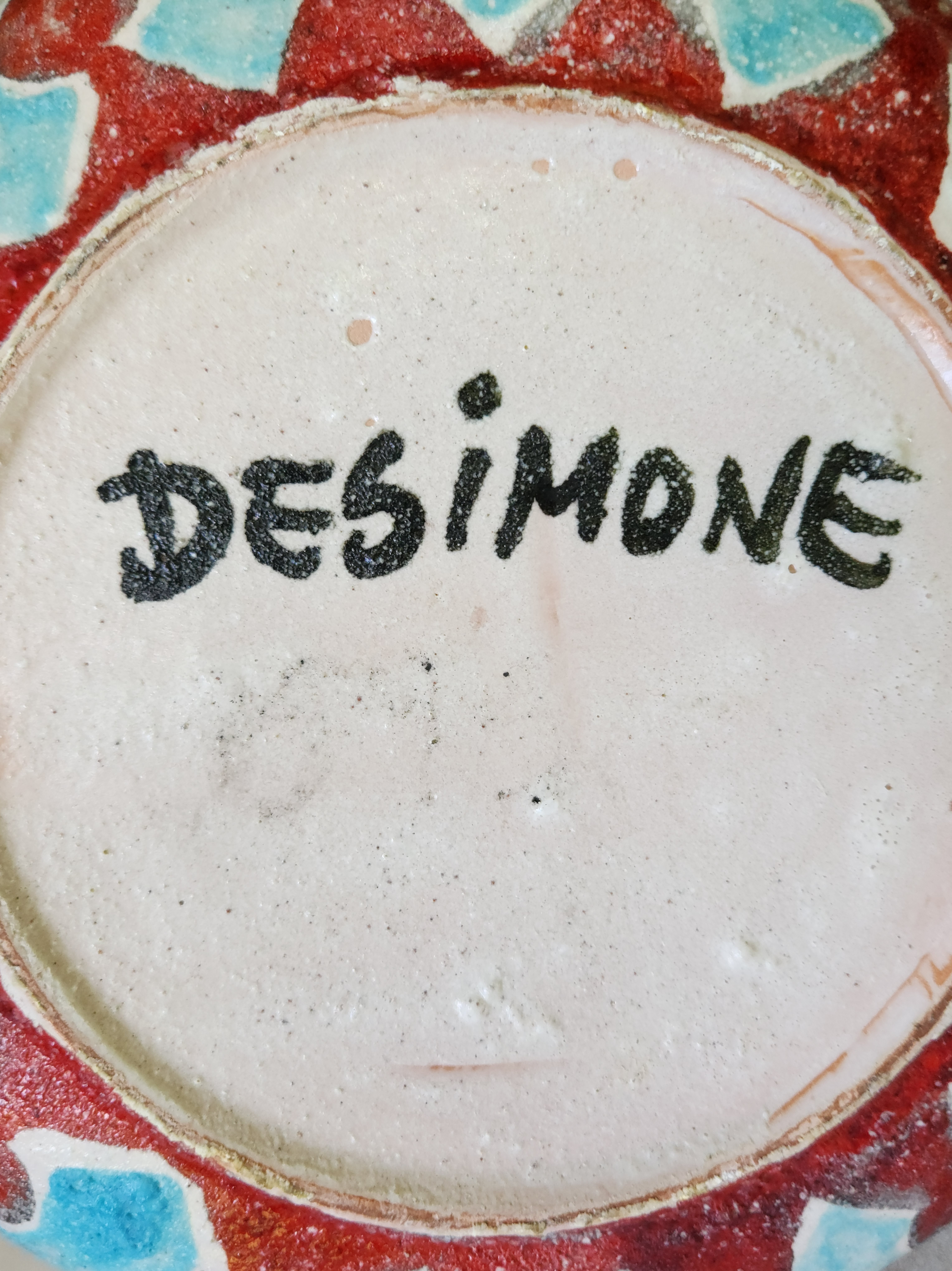
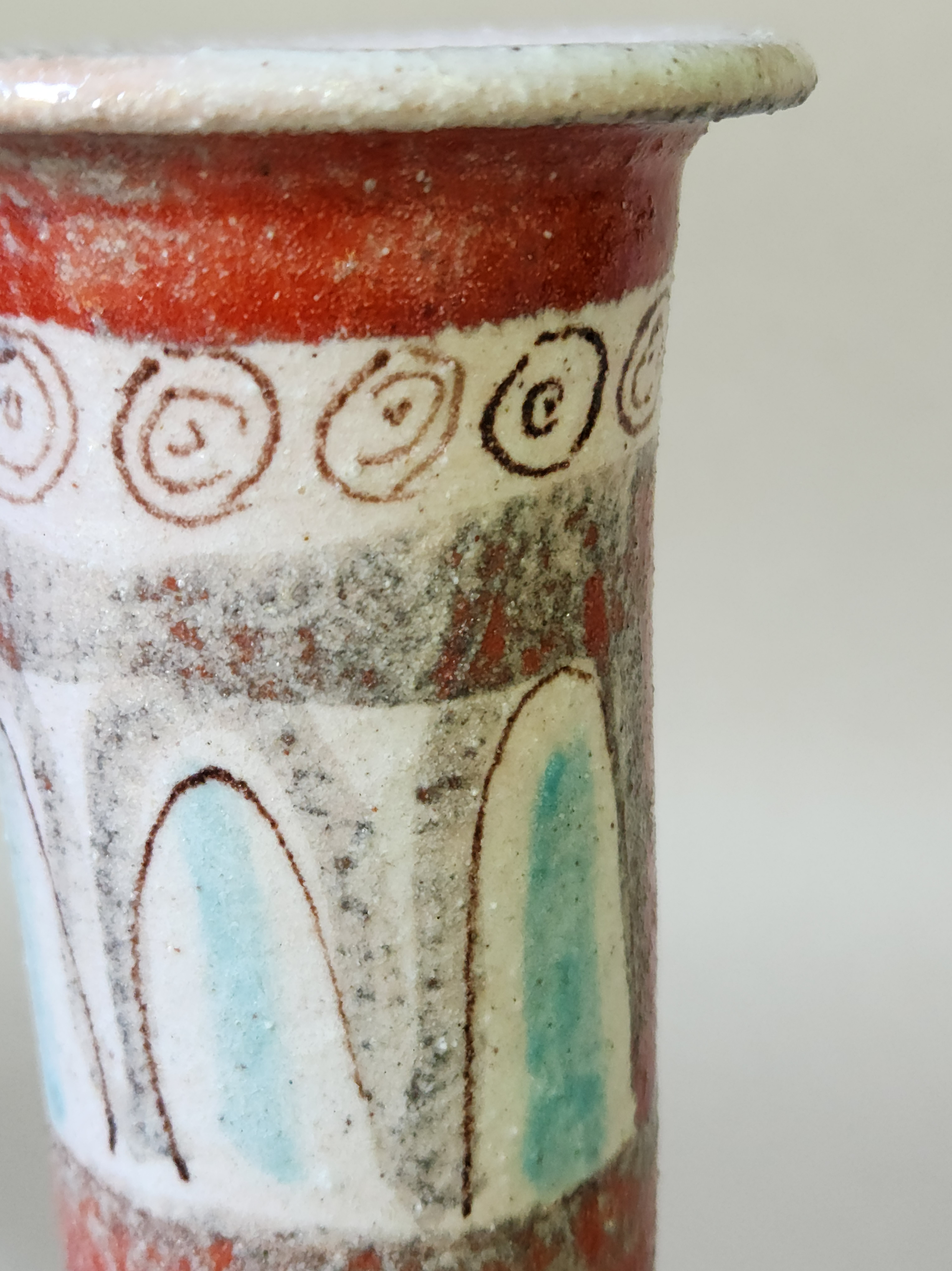

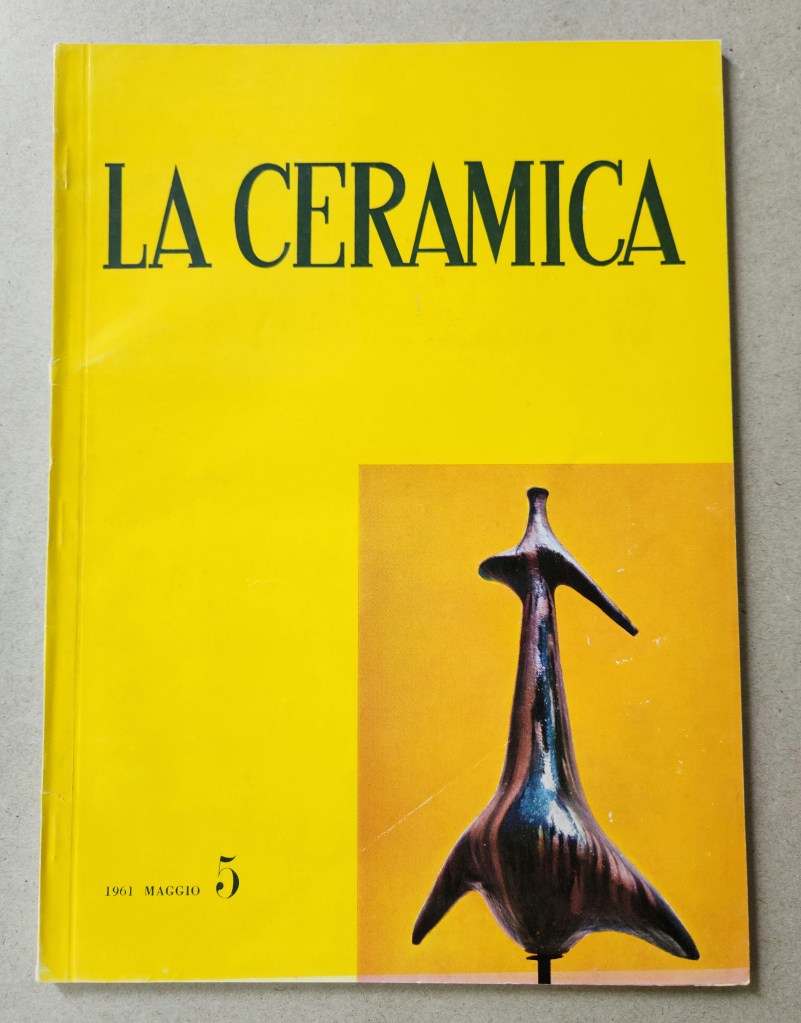
When I first started collecting, I came across scores of pieces in a cartoony, childish art style which were attributed to midcentury Italian ceramist Giovanni DeSimone. It turns out 99.9% of what I was seeing were modern pieces by two companies in Sicily which have been producing wares in the DeSimone style since his retirement in the 80s: Ceramiche Desimone, which is run by his former employees, and La Fabbrica della Ceramica, operated by his daughter. These same newer pieces were the focus of Mark Hill’s section on DeSimone in his book on midcentury Italian ceramics, Alla Moda. But where were the early pieces — those DeSimone himself created in the 50s and 60s — and how did he develop this style? I didn’t even know what his early pieces looked like until I accidentally found a copy of La Ceramica, an Italian magazine whose May 1961 issue featured a story on DeSimone.
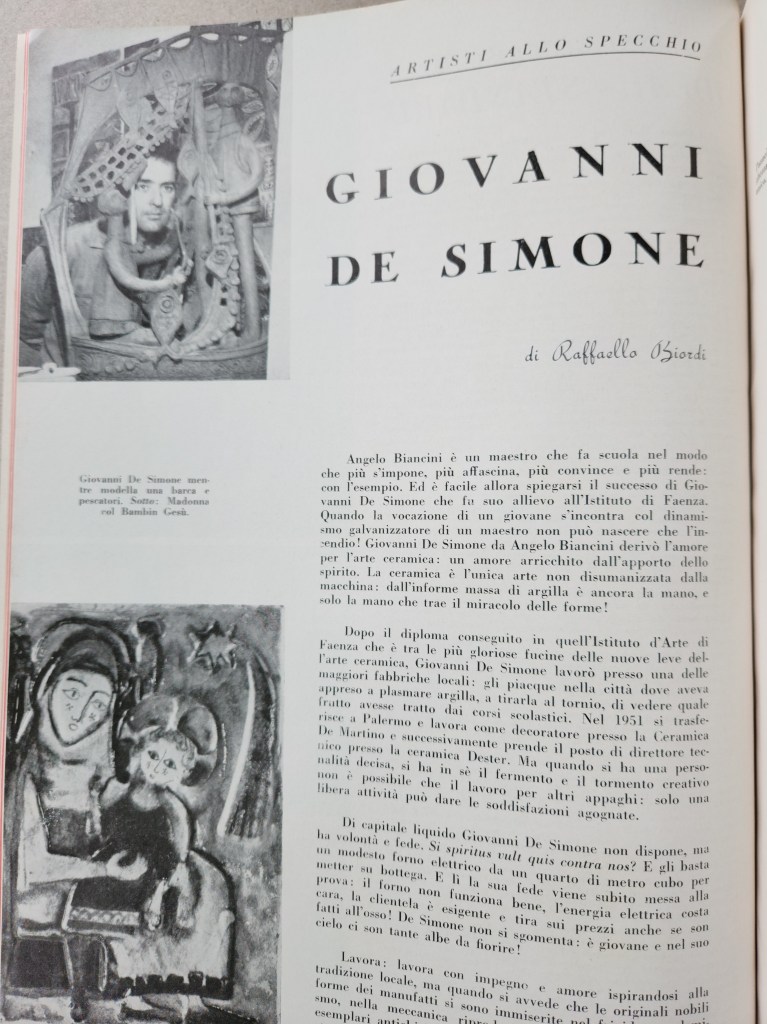
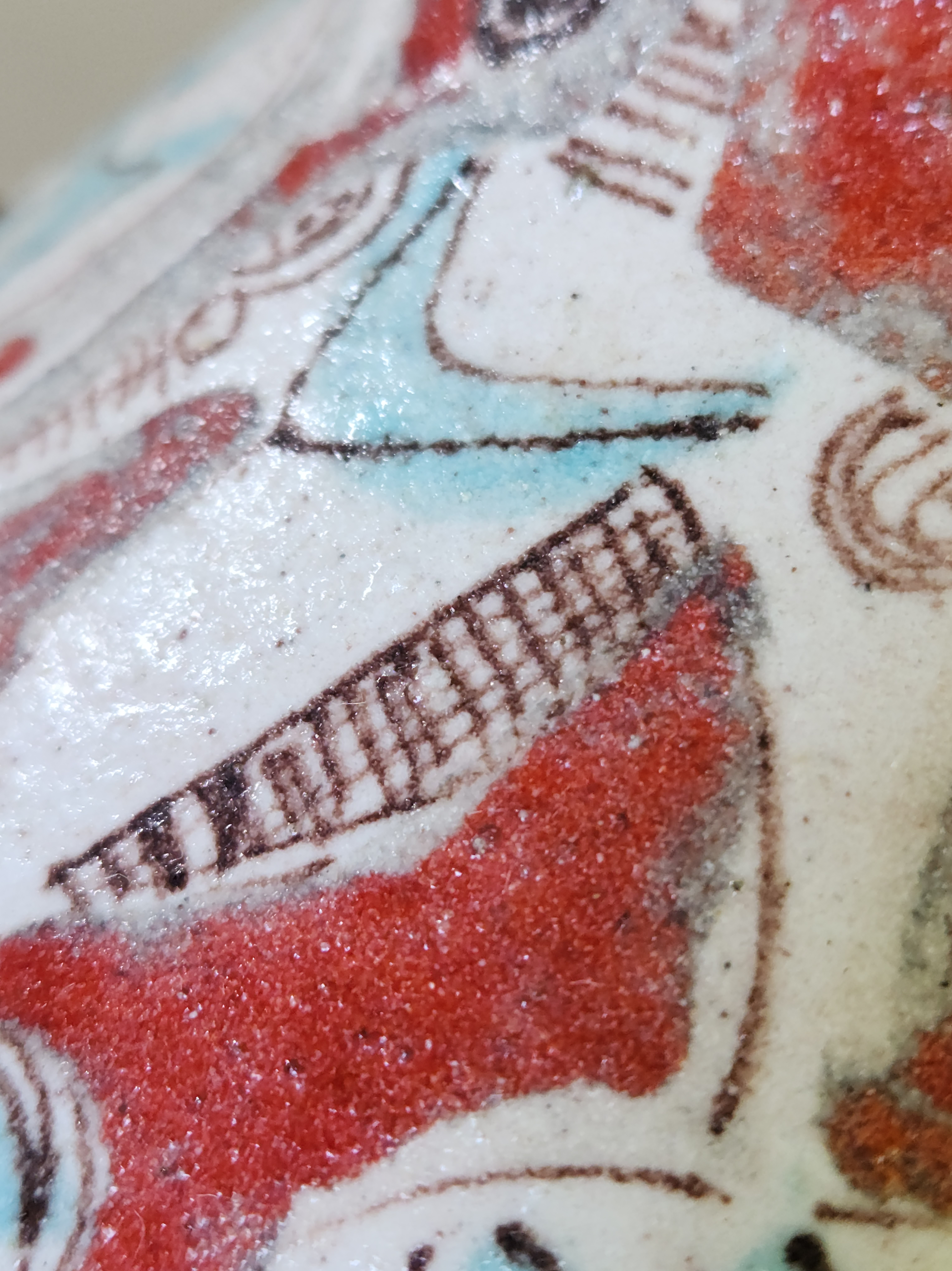
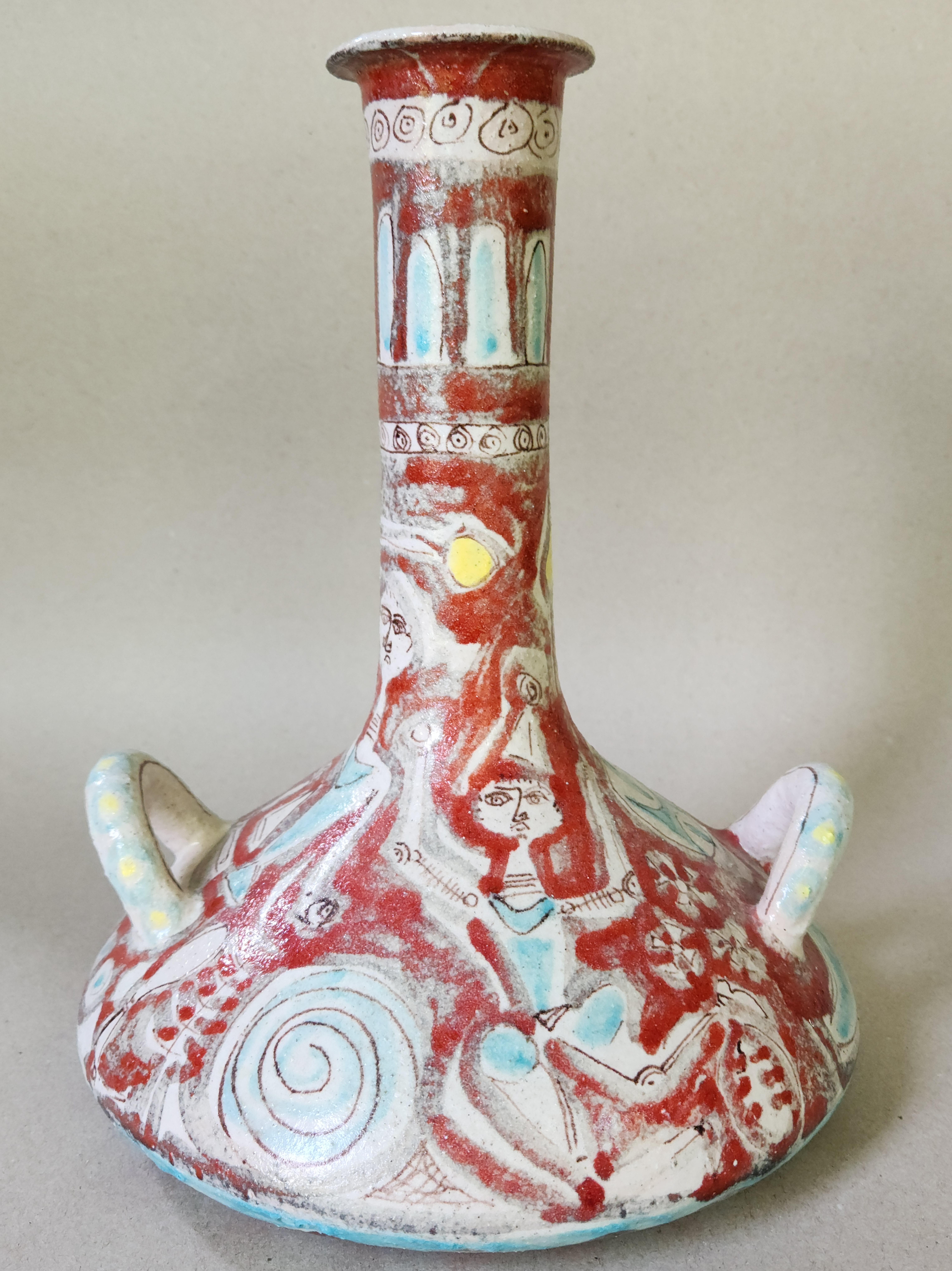
There, for the first time, were his original works: plaques, vases, sculptures! The three page article, written by a former teacher of his, explained how DeSimone created his own style: “Lavora con impegno e amore ispirandosi alla tradizione locale, ma quando si avvede che le originali nobili forme dei manufatti si sono immiserite nel frigido accademismo, nella meccanica riproduzione, allora egli si rifa agli esemplari antichi e li interpreta con spirito nuovo e con gusto personale” (transl., “He works with commitment and love, inspired by local tradition, but when he realizes that the original noble forms of the artifacts have become stale in frigid academicism, in mechanical reproduction, then he refers to ancient examples and interprets them with a new spirit and personal taste”). To paraphrase, he recognized the wonderful, ancient forms of Italian art and freed them from the museum! Though the current versions of his work seem far from that origin, I was lucky enough to find the vase pictured here and was thrilled to see how true it was to his original intent. The bottom and handles are reminiscent of Mycenaean pottery, while the long neck calls to mind Roman examples; as both the Greeks and later the Romans occupied Sicily, these inspirations would have indeed been found in Italian museums. DeSimone, however, updates it up for the 20th century via his use of color, playful shapes and four lively characters sporting shields, tattoos, crowns — and one with a Pulcinella-type hat! The rough, sand-infused texture of the glaze is the final piece of the puzzle, making the vase as enjoyable as it is to touch as it is to see. The end result is a piece which is fun, quirky and youthful while also nodding to the past — a triumphant statement of his will, and one which explains why derivatives of his art still enjoy popularity today.
 CeraModerna