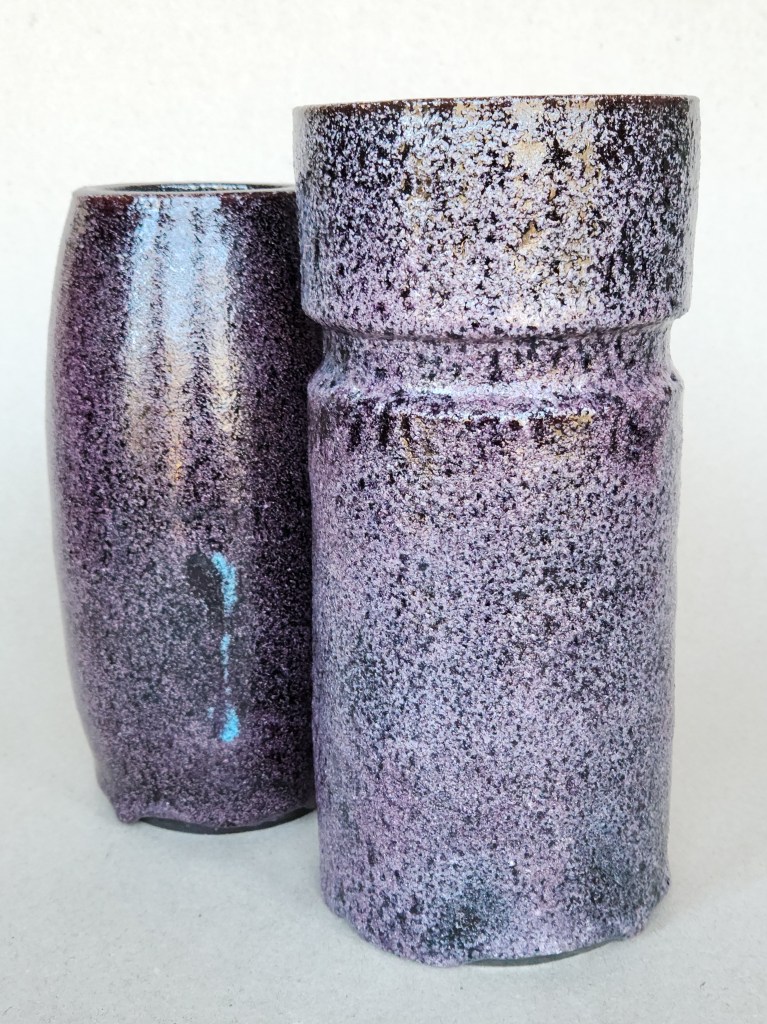
Pieter Groeneveldt, prob. 1960s, (l. to r.) 107/23 (23cm) and 108/25 (25cm)
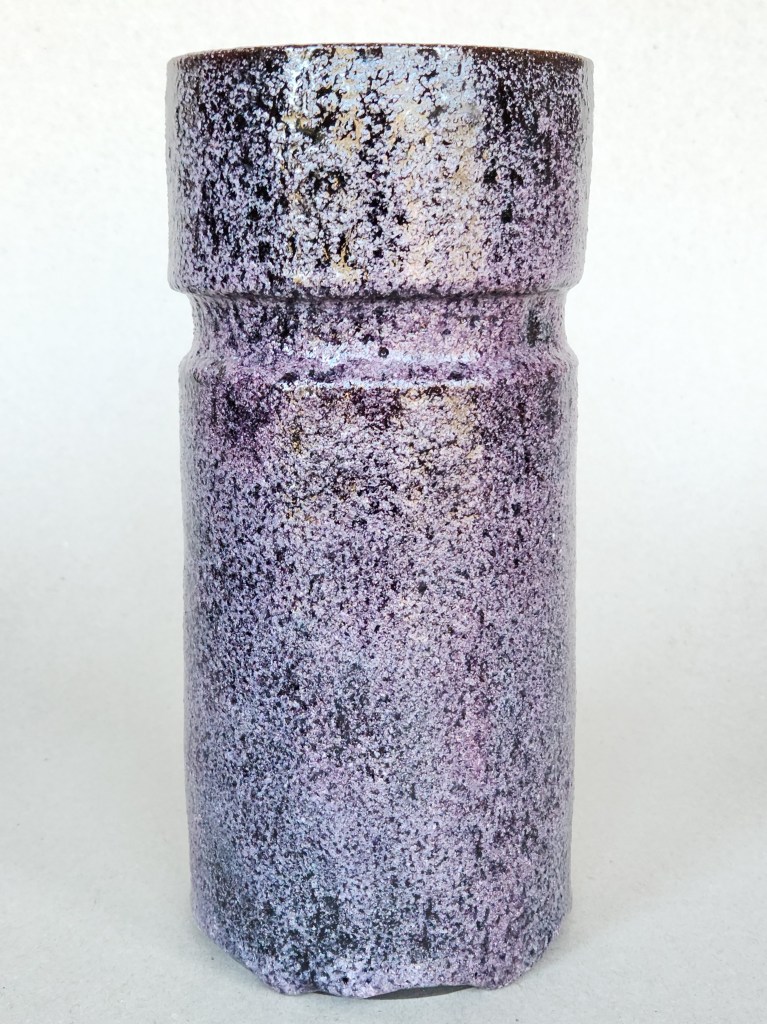

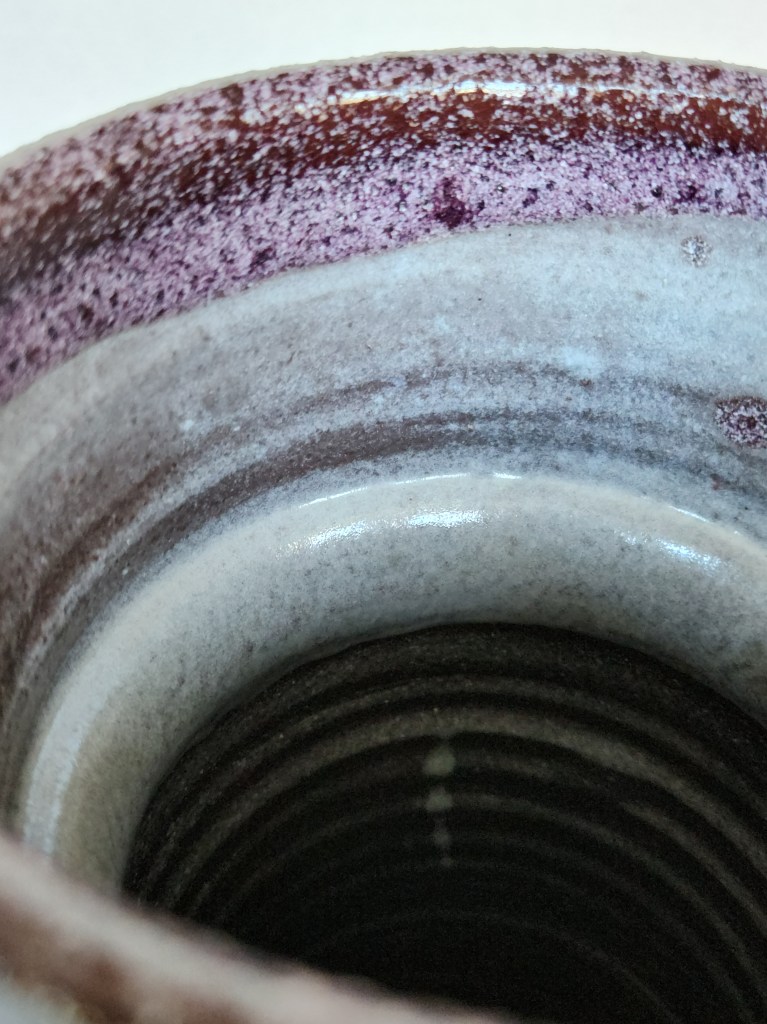
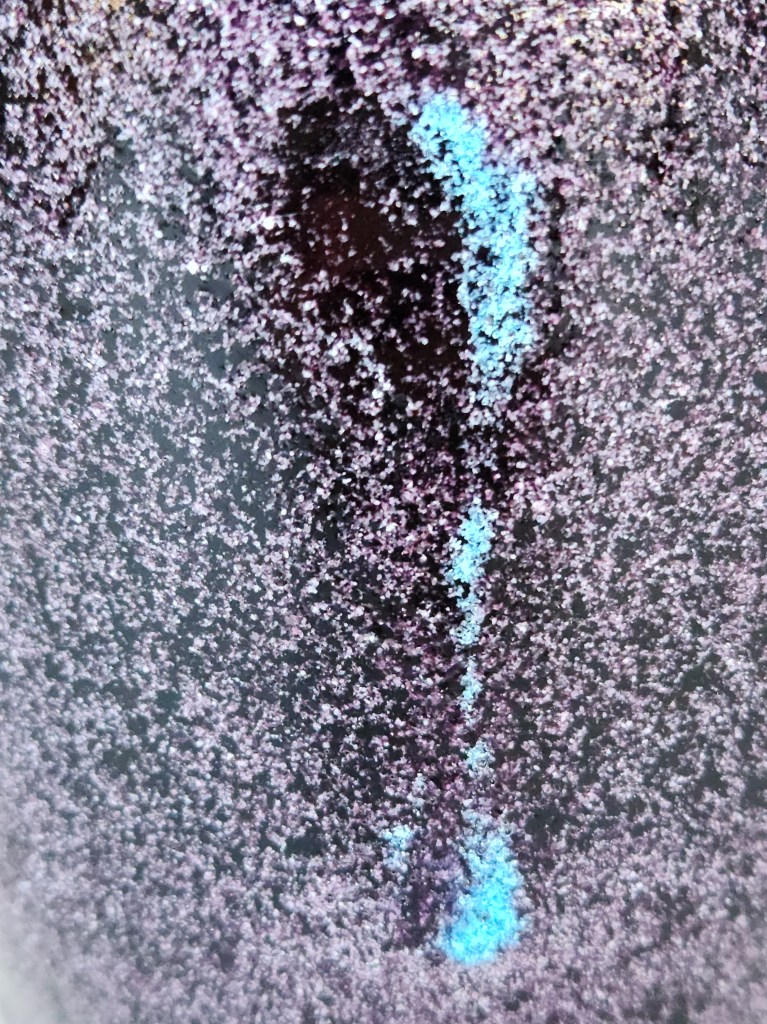

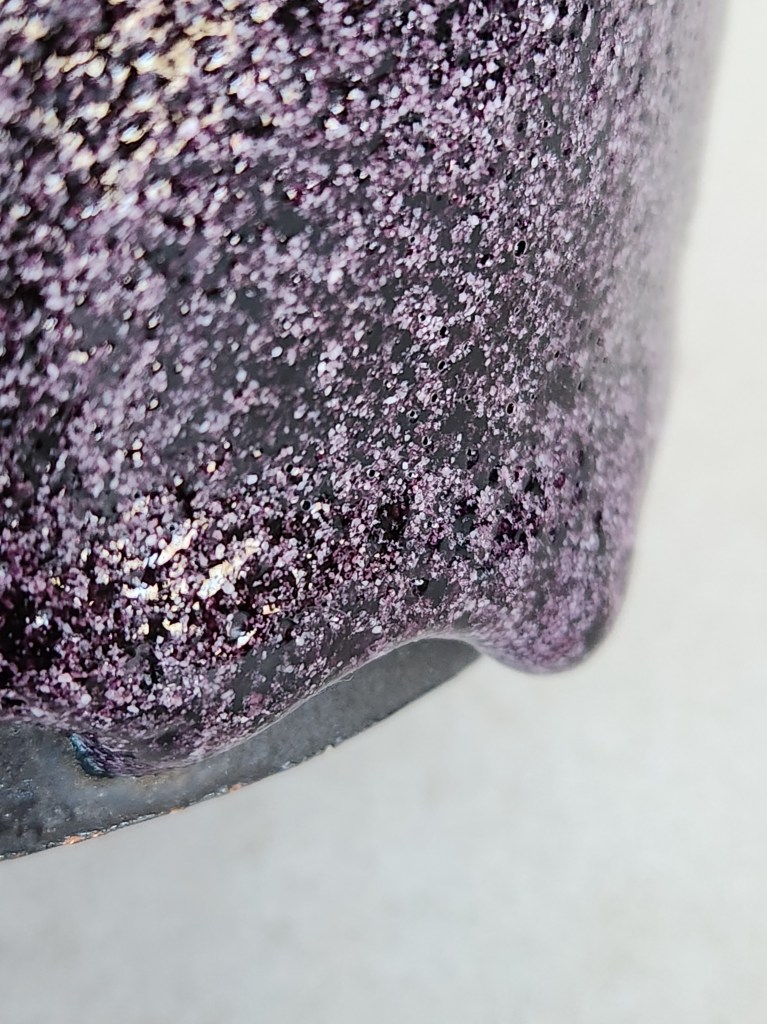
Most associate heather with Scotland, but the Netherlands is also justly famous for its vibrant display of purple every August when the heather blooms across the country. While the heather won’t make the average tourist’s list of all things “Dutch” (along with tulips, windmills and wooden clogs), I am sure it is well appreciated in the Netherlands itself — just like the works of Dutch native and 20th century ceramist Pieter Groeneveldt. Groeneveldt, who started in the 1920s by opening a flower shop he also used to display his pottery, ran a workshop under his own name for almost 50 years, then finished his career by making unique pieces in his home over the last 10 years of his life, is one whose work deserves wider notice by the mid-century ceramics collecting community. Images can’t do his works justice. His purple glazes have a deep richness filled with black tones which comes across almost like stone (and my apologies here, I shoot in natural light and the sun washed things out a bit). The wonderfully quirky baby blue “drip” on the smaller piece is perfectly straight and serves as a bit of interest which, when combined with the curving sides, draws your eye from top to bottom. The glaze on the taller model is applied in such a manner that it flows uninterrupted over the inset collar yet doesn’t compromise the collar’s lines. Both pieces are HEAVY, giving them an imposing character and providing a sense of quality; you know instantly these were not turned out by machines. The best part? His works were all marked with a stamp, making them easily identifiable (see https://pietergroeneveldt.nl/88). Not into purple? Well, Groeneveldt used almost every color imaginable, to include a gorgeous crackled white glaze akin to cake icing. Owning a piece of his should be a must for serious mid-century collectors, just as a visit to the August heather display in the Netherlands should be added to the list of any “must see” for travelers. The advantage of owning a piece of Groeneveldt’s art, though? One can enjoy it year-round.
 CeraModerna