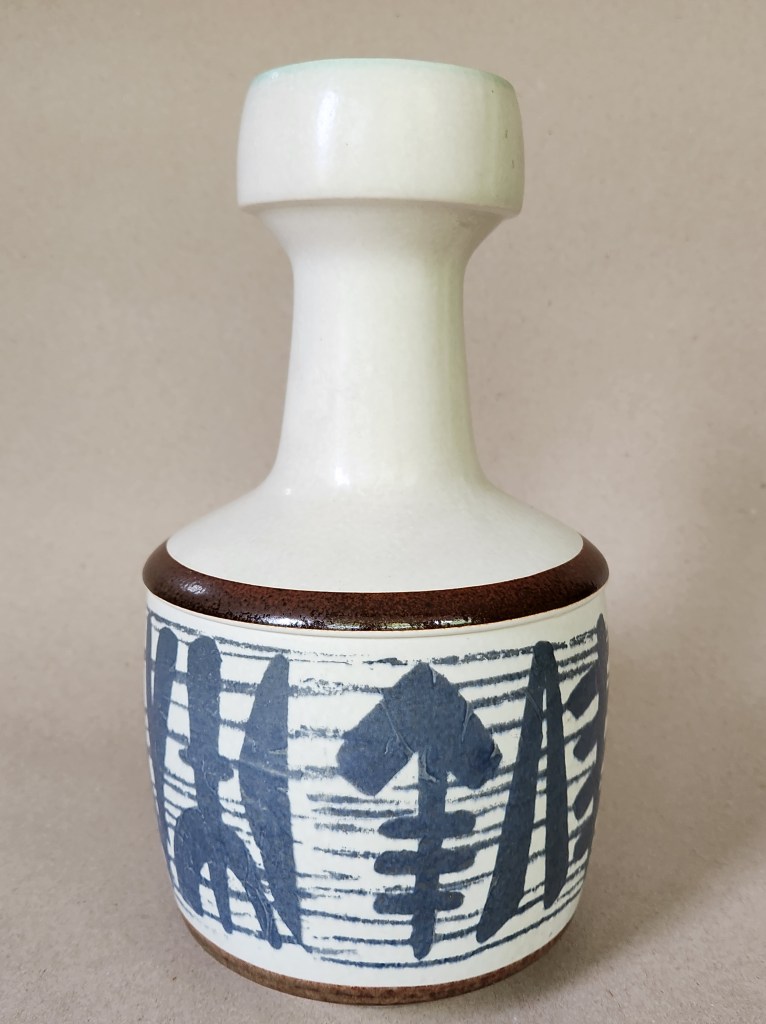

(L. to r.) Gefle Porslinsfabrik “Peking,” 1962 (29cm), Walter Gerhards 270/20, prob. 1960s (20cm)
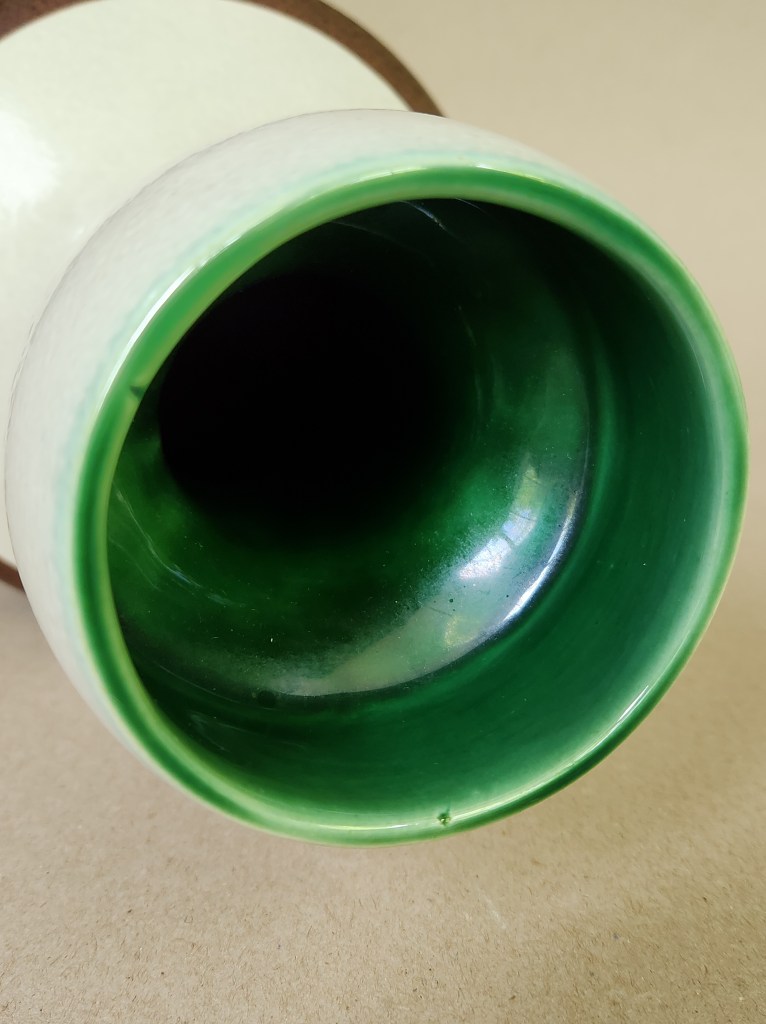

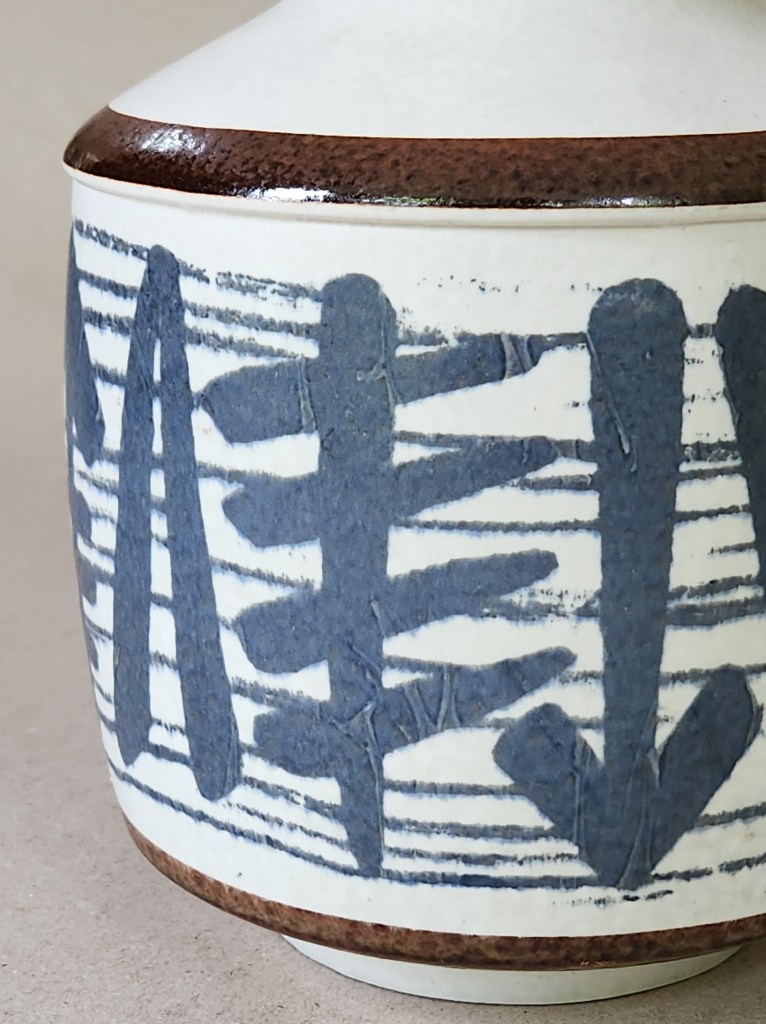
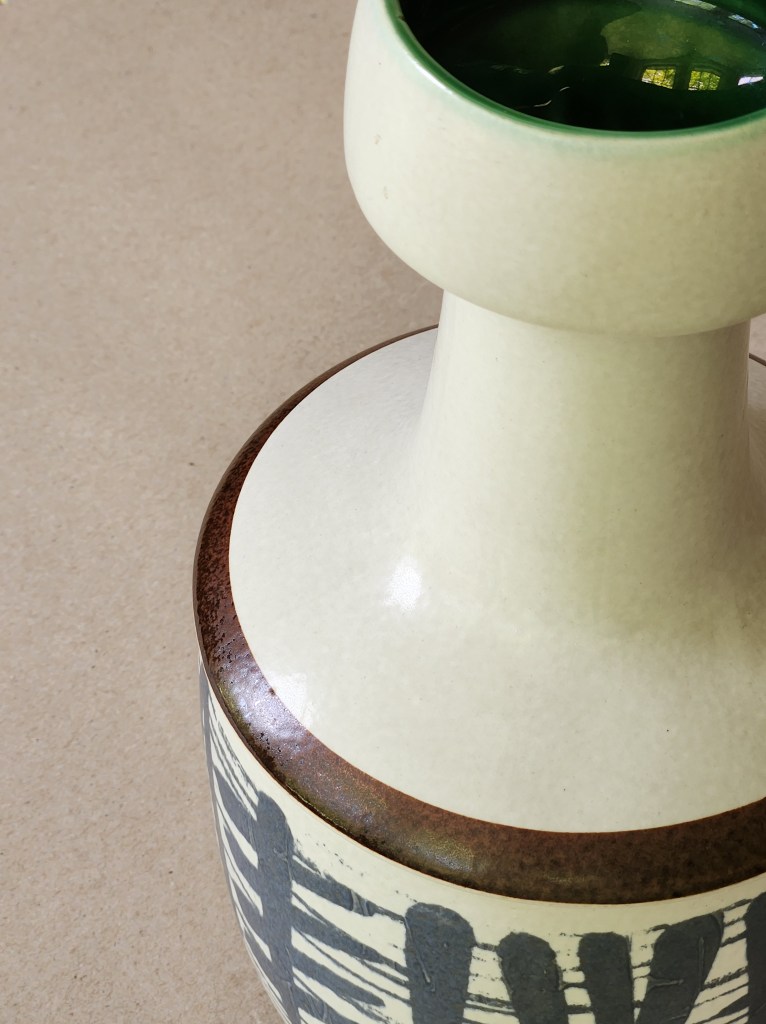
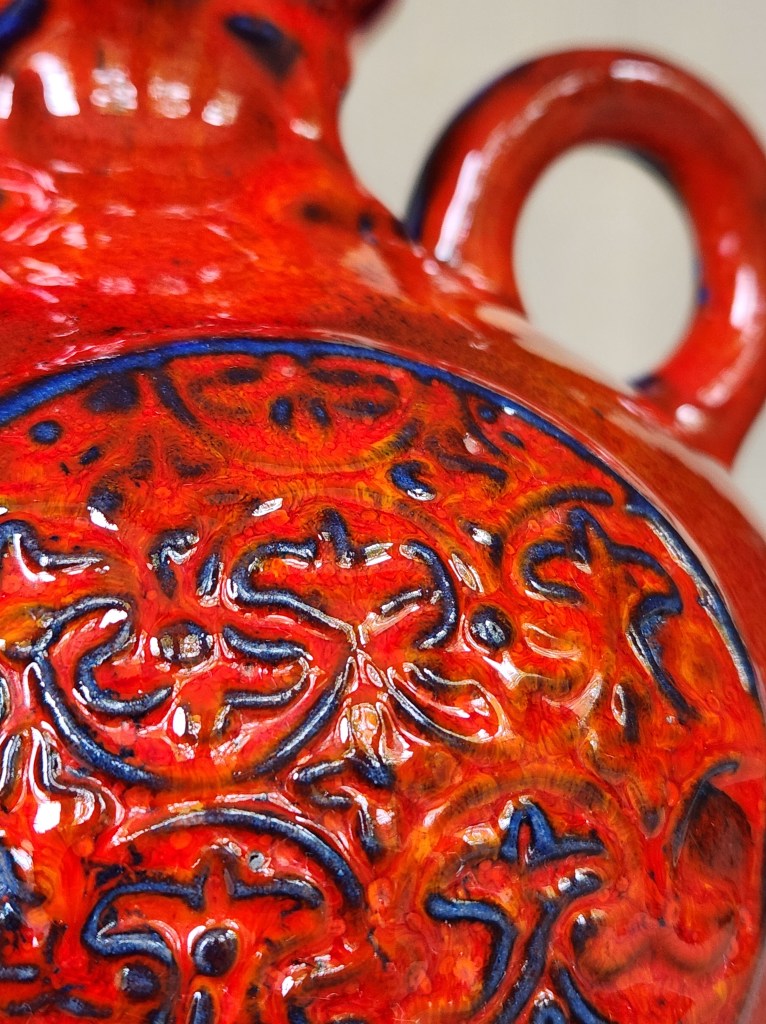
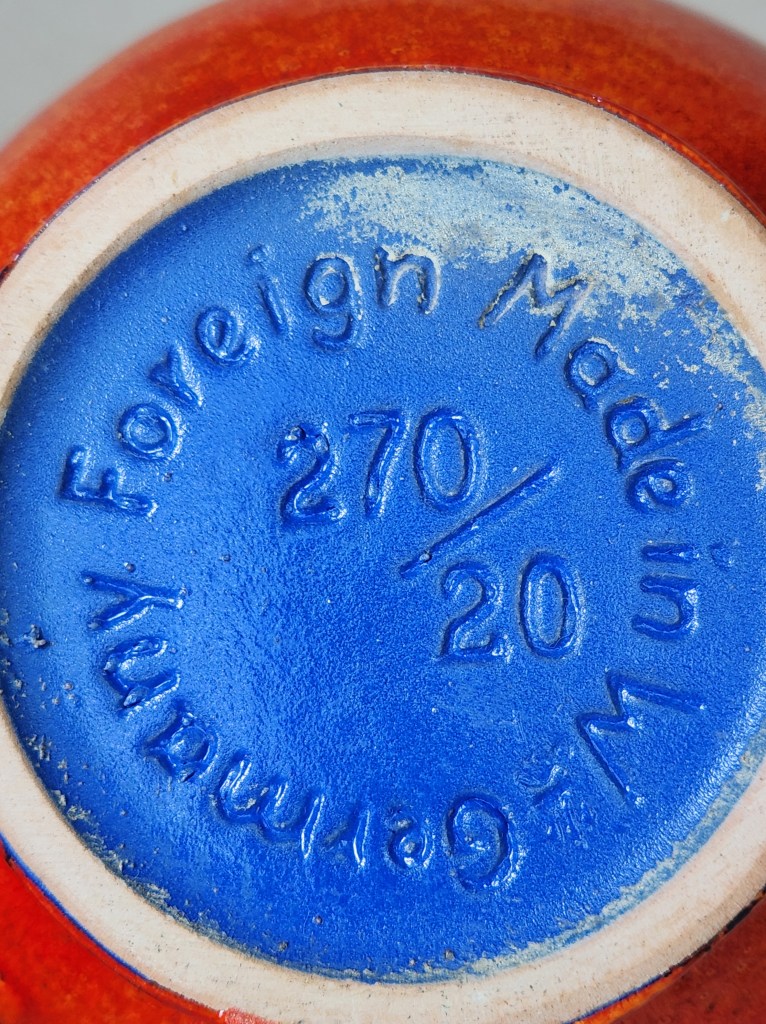
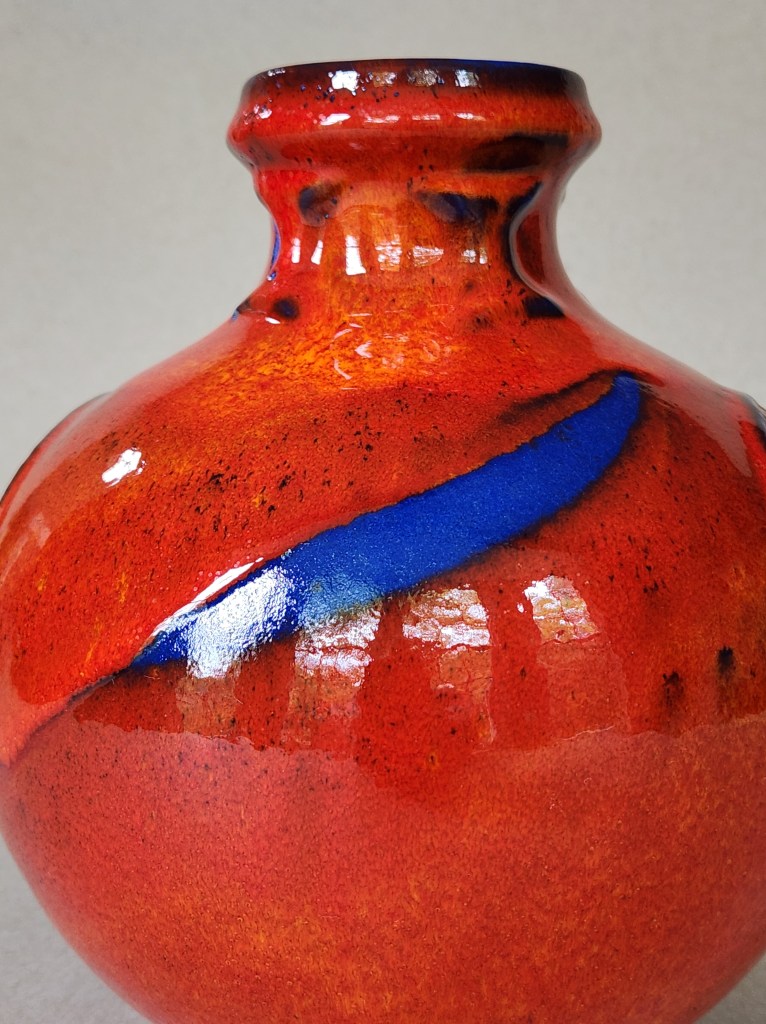
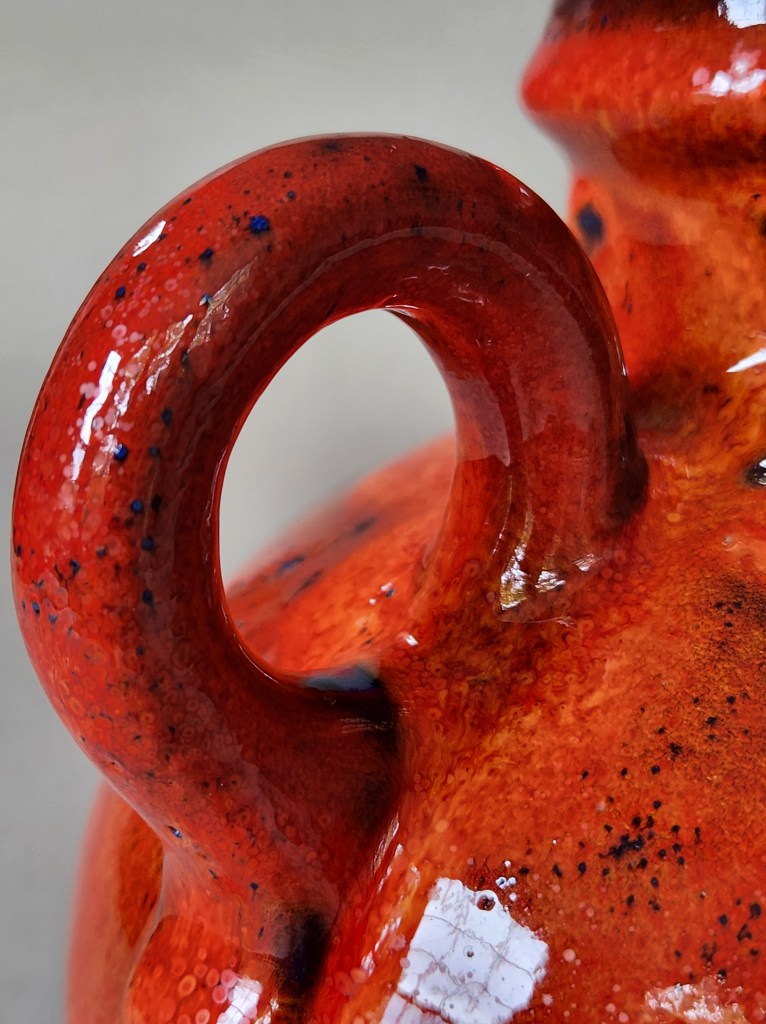
Although Swedish ceramics artist Berit Ternell, the designer of the “Peking” series for Gefle in 1962, and Walter Gerhards, the creator and owner of the eponymous German company which produced the glossy red example above, probably never met one another they both wound up participating in the European decorative trend called chinoiserie. Coined by Honoré de Balzac in his 1836 novel L’Interdiction, chinoiserie — the interpretation of Asian arts including but not limited to decoration, architecture and music — had been a European staple since traders began bringing back goods from Asia in the 17th century. The popularity of these goods inspired imitation, which was rendered by Europeans in an inaccurate style whose appeal subsequently waxed and waned over the centuries. In the 1920s chinoiserie made a big return in the United States under what was termed “Hollywood Regency” style, a significant decorating trend initially adopted by the rich and famous and then produced for the masses. Chinoiserie’s influence was most keenly felt during that time in wallpaper design, but Asian-inspired lamps, screens and furniture were also the rage (and well-built, as evidenced by the chinoiserie lamp which graces my home today). Regarding the two vases above, it is difficult to source why they were produced when they were, as the Hollywood Regency era was largely over in the 60s. Nevertheless, they exhibit all the hallmarks of European chinoiserie style — from the pseudo-Asian forms to the fake Asian symbology (I suppose Ternell was taking a Modernist approach to Chinese?). Not fine for China, to be sure, but they make an interesting footnote in the extensive catalog of Mid-Century ceramics.
 CeraModerna